
The Tokyo MOU has released its Annual Report 2024, which conducted 32,054 inspections, which is four times the number of inspections undertaken three decades ago.
The Tokyo MOU noted that the detention rate has decreased 0.6 percentage points in 2024, continuous attention and emphasis needs to be paid as the level of detentions is still higher than that of the pre-pandemic period and almost the same level as that of ten years before. Furthermore, in 2024, the number of under-performing ships are nearly double that of the previous year, which indicates the condition of ships in the region is becoming worse. An analysis Continue reading “Tokyo MOU Annual Report 2024 published”


 Introduction to Bills of Lading: Basic concepts and issues

 The fourth Enclosed Space Entry Joint Industry Workshop took place at

 In 2023, the global soya bean market (also known as soybeans and soyabeans) was valued at over USD 200.37 billion, and it is projected to grow to USD $259 billion by 2032.The shipping industry plays a significant role in supporting this global industry, but behind these impressive figures lies a perilously narrow window for safe ocean transport. Despite being loaded in sound condition and carried by well-maintained vessels on unexceptional voyages, soya beans continue to arrive in a deteriorated condition far too often. Claims related to spoilage frequently run into millions of dollars, exposing shipowners, operators, and marine insurers to significant financial risk.
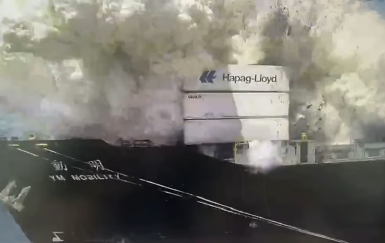 The China Maritime Safety Administration (