Floating convenience store appeared in Toronto Harbour

This quirky story is an absolute delight and brought a smile to my face. The ingenuity of some people has to be admired. A floating convenience store suddenly appeared in Toronto Harbour a couple of months back from nowhere. It made boaters excited to cruise from the mainland to buy their favourite snack. There was, however, a drawback. They were not able to purchase their favourite snacks and can of pop! Yet still they kept coming by in droves to take photos and investigate the unique floating convenience store. Continue reading “What caught my eye: October 2026”
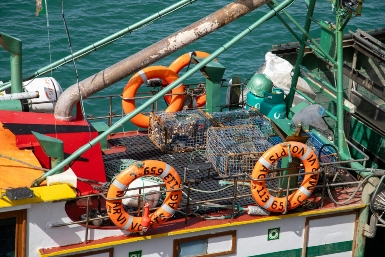 Three little, but often misunderstood words – safety management system, or SMS for short – have been everywhere in the maritime news recently. Yes, SMS seems to be the current buzz phrase of the day! I have seen an alarming increase in incident and accident reporting that references SMS failures and non-adherence as the primary causes.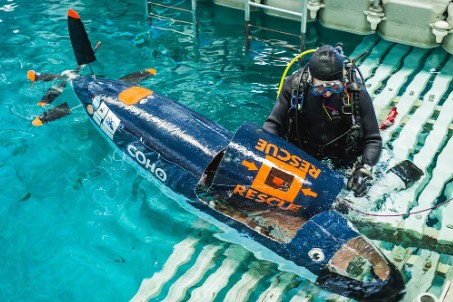
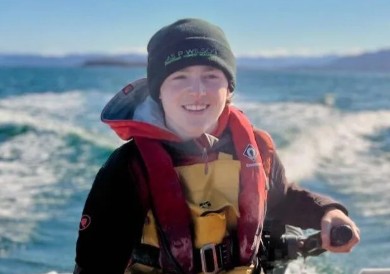 I have picked up this story to share simply because it is heartwarming. These days, we bash our kids for spending too much time in front of their gaming machines or whiling away endless hours on social media. But clearly this is not for 15-year-old Archie Law, who rescued two men who fell from an inflatable toy boat off the Isle of Skye in Scotland, after spotting them drifting in Broadford Bay. He took his own boat out to help and rescue them.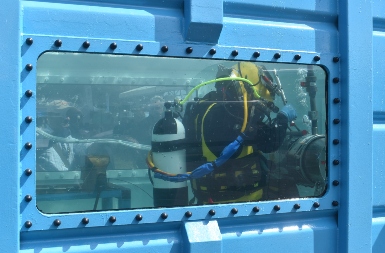
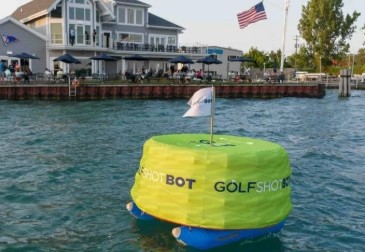 Oh, the ingenuity of it all. Whatever next? On-water golf, it seems!

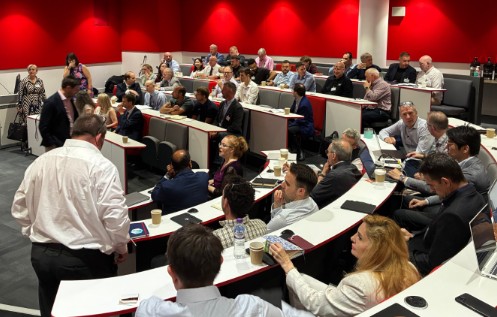
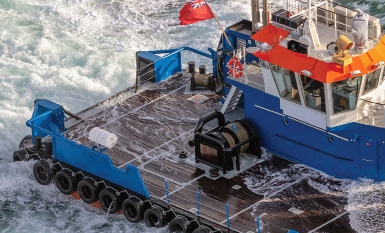 Recently, I attended the annual Certifying Authority BCC meeting at the UK Maritime & Coastguard Agency’s (MCA) in Southampton, which drew about 40 attendees. All the UK Certifying Authorities and the Recognised Organisations were represented and present. We were joined by senior and key MCA personnel and others from the Jersey and Cayman Islands registries. For the large part, it was business as usual as the regulator announced new initiatives, interpretations and to give a general news update on a series of policies and ongoing work behind the scenes.
 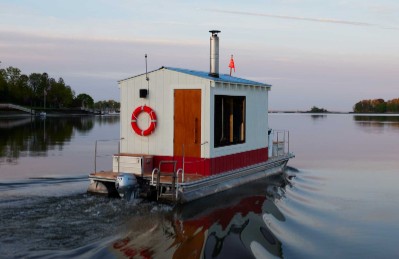 This is not the first time that floating sauna stories have come to my attention, so clearly, you can see I am fascinated by this concept. It is just, well, so whacky!
 It troubles me once again that I feel the need to start this month’s column by raising the topic of lithium-ion battery fires, especially as the story I want to share with you is a land-based one that happened recently, and not a maritime disaster. You may know of my keen interest in this technology and the challenges surrounding it. The incident I want to speak about, and share with you, is a massive fire in the Scottish city of Glasgow. A major fire broke out in a vape shop adjacent to the city’s main railway station. Over the coming hours, the fire