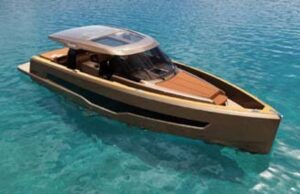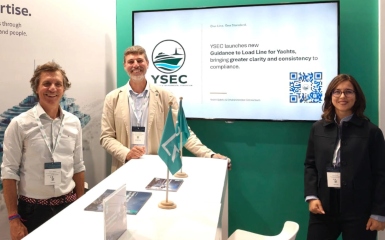
The Yacht Safety & Environmental Consortium (YSEC), a collaboration between leading classification societies including LR, RINA, ABS, Bureau Veritas and DNV, has published a new Guidance Note for yacht load line compliance, providing practical recommendations to support the consistent application of load line requirements across the sector.
Launched on the Lloyd’s Register stand at the Monaco Yacht Show 2026, the guidance has been developed to help yacht designers, builders, owners, Flag Administrations and marine surveyors navigate areas where interpretation of load line requirements may vary between projects. Continue reading “YSEC launches new guidance to support consistency in yacht load line compliance”
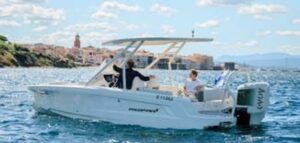 The glimmering allure of the open water has long been synonymous with the roar of a combustion engine and the smell of gasoline. However, as the global push for environmental stewardship reaches our coastlines, the recreational boating industry finds itself at a pivotal and complicated crossroad of sustainable marine manufacturing.