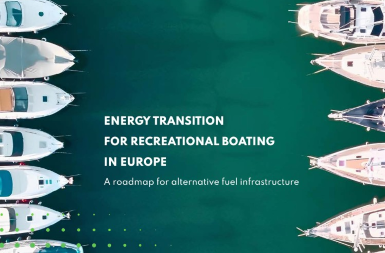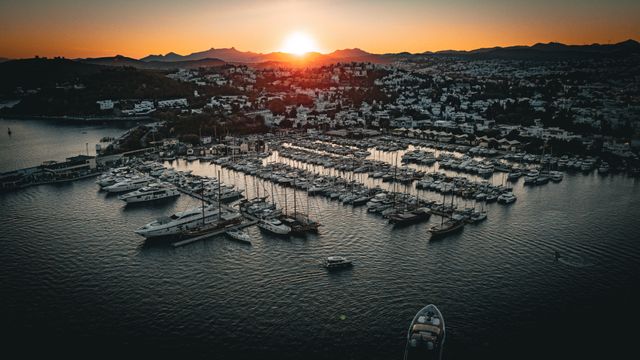
EBI launches Energy Transition for Recreational Boating in Europe roadmap for alternative fuel infrastructure in marinas

Energy Transition for Recreational Boating in Europe is the latest study publishing by EBI

European Boating Industry (EBI) has published a roadmap titled Energy Transition for Recreational Boating in Europe: A roadmap for alternative fuel infrastructure, setting out industry and policy recommendations relating to the decarbonisation of recreational boating and the development of marina infrastructure across Europe.

The document highlights the need for a technology-neutral and multi-pathway approach to the energy transition, recognising the diversity of Europe’s recreational boating fleet Continue reading “EBI launches Energy Transition for Recreational Boating in Europe roadmap for alternative fuel infrastructure in marinas”

World Boating Day marks third edition of global celebration

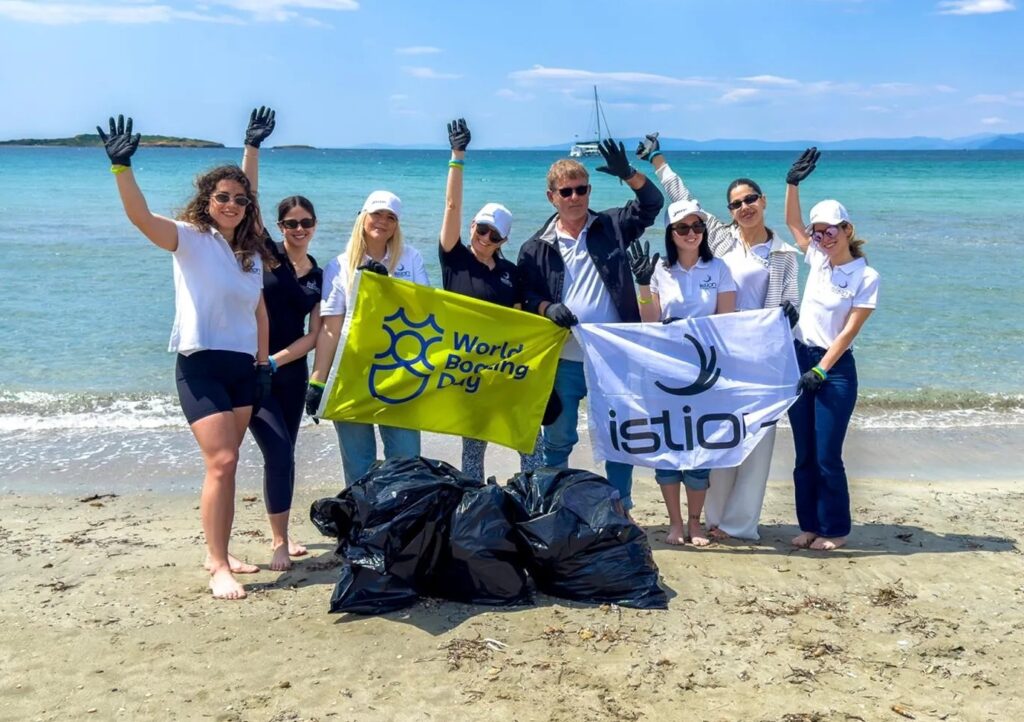
Istion Yachting. Photo credit - World Boating Day
Istion Yachting. Photo credit – World Boating Day

World Boating Day 2026 has taken place, marking its third edition, bringing together 28 countries across 143 events in a global celebration of life on the water.

From shipyards and marinas to museums and vibrant waterfront destinations, the initiative welcomed industry leaders, families, students and first-time visitors into a shared experience of discovery, connection and adventure on and around the water. This year’s programme came to life through a series of hands-on experiences, collaborations and open access initiatives that brought audiences directly into the world of design, craftsmanship and life on the water. Continue reading “World Boating Day marks third edition of global celebration”

Brussels clarifies several rules on VAT and customs on pleasure boats

Brussels clarifies several rules on VAT and customs on pleasure boats

The European Commission has recently published an interpretation note on the VAT and customs on pleasure boats new rules. This document has been awaited for several years by pleasure boaters and yachting professionals. It provides a number of important clarifications on the customs status of vessels, controls and returns to the European Union. While the text is still incomplete, it nonetheless makes good progress on these thorny issues.

For boat owners sailing between several European countries, Continue reading “Brussels clarifies several rules on VAT and customs on pleasure boats”

Post Construction Assessment papers trigger official policy review

Paper 2 on Post Construction Assessment by Tom Keeling attracts encouraging response

Throughout 2025, work continued on Recreational Craft Directive (RCD), Recreational Craft Regulations (RCR) and Post Construction Assessment (PCA) research, with a newly drafted paper by Tom Keeling – known as PCA 2 – receiving an encouraging response from Graham Russell MBE, Chief Executive of OPSS (Office for Product Safety & Standards). The paper is due for wider release in early 2026.

Since the release of the PCA 1 paper in 2024, IIMS has remained engaged with Continue reading “Post Construction Assessment papers trigger official policy review”

MCA published its new Sport or Pleasure Code

MCA new Sport or Pleasure Code for commercial craft published

Safety and innovation are at the heart of updated regulations for small commercial vessels used for sport or pleasure that was laid before Parliament on 20 November 2025 with application to be phased in from 12 December 2025 by the UK Maritime and Coastguard Agency (MCA), starting only with new vessels entering either code for the first time.

The new Merchant Shipping (Vessels in Commercial Use for Sport or Pleasure) Regulations 2025 will set clear, pragmatic standards across the sector by underpinning two codes of practice for vessels below and above 24 metres in length. The changes will apply gradually to more vessels as their certificates come up for renewal or within three years, whichever is longer. Continue reading “MCA published its new Sport or Pleasure Code”

Roadmap 2030: what will change for the French small boat sector?

Roadmap 2030: what will change for the French small boat sector?

At Grand Pavois 2025, the French government and the yachting industry published a joint roadmap outlining key priorities up to 2030. Ecological transition, attractiveness of professions and development of nautical practices: three structuring axes in an attempt to make yachting more sustainable and accessible but the real question is: what will change for the French small boat sector?

Today, boating and yachting are practiced by nearly 15 million people in France, including 4 million regular boaters. The industry employs Continue reading “Roadmap 2030: what will change for the French small boat sector?”

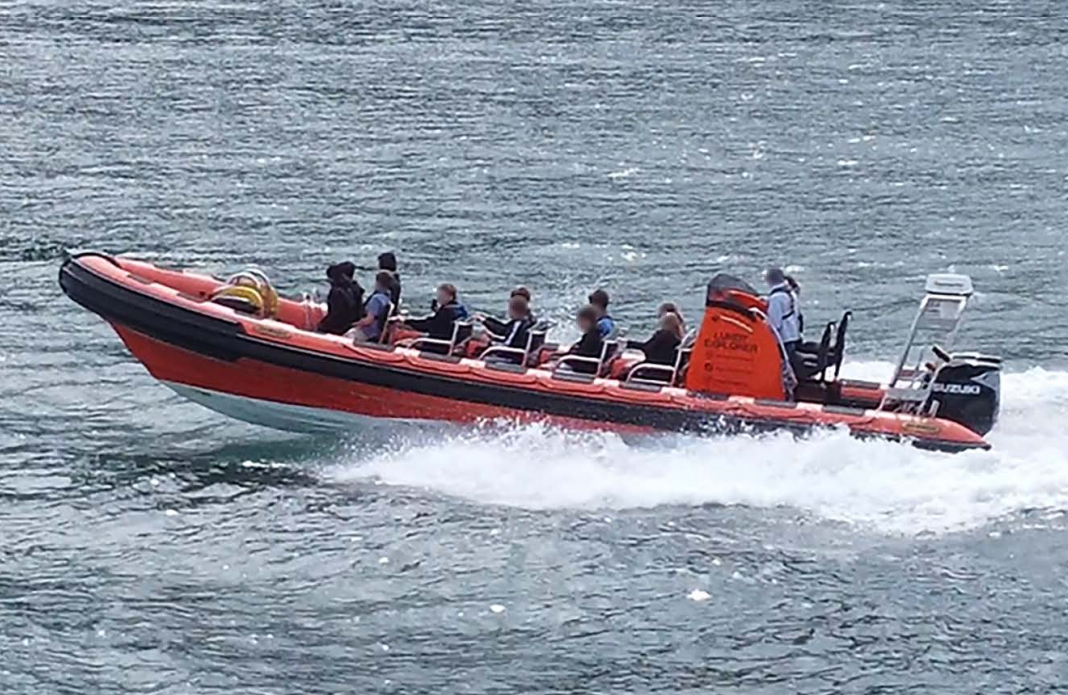
Lundy Explorer report published by MAIB

The MAIB's Lundy Explorer report has identified some important safety issues
The MAIB’s Lundy Explorer report has identified some important safety issues

The Marine Accident Investigation Branch (MAIB) has published the Lundy Explorer report, an incident which left one passenger severely injured. On 7 June 2023, the rigid inflatable boat (RIB) Lundy Explorer departed Ilfracombe Harbour for a sea safari trip. While leaving the harbour the boat encountered a high wave, which caused it to slam into an oncoming wave. A passenger sitting in a jockey seat in the front of the RIB, where the highest shock loads were experienced, was dislodged from their seat and suffered a fracture of their spinal column that resulted in permanent paralysis. Continue reading “Lundy Explorer report published by MAIB”

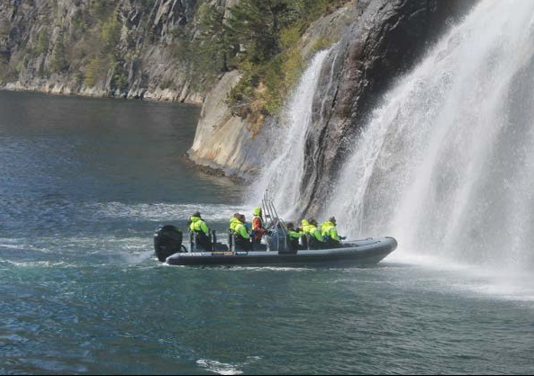
Small craft sector must educate customers of dangers to avoid passenger injury

Small craft sector must educate customers of dangers to avoid passenger injury

Poor posture, inadequate seating and a host of other factors can lead to life- changing injuries on RIBs as passenger safety is pulled sharply into focus by recent events in the small craft sector. If the sector ’s reputation is to survive accidents like Seadogz, owners and operators need to start owning best practice, controlling the risks and demonstrating that their trips are safe, says MAIB (Marine Accident Investigation Branch) as it cracks down on the small craft sector saying ‘Small craft sector must educate customers of dangers to avoid passenger injury’.

When you are trying to promote the fun element of an activity, telling your customers that it can be hazardous might appear counterproductive. This could explain the reluctance of the ‘small-craft passenger/ experience ride’ industry to acknowledge and take action on the findings from recent accident investigations. Continue reading “Small craft sector must educate customers of dangers to avoid passenger injury”

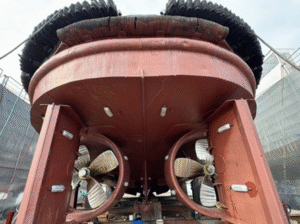
SubChapter M Towboat Rules: Six Years On

What is Subchapter M?

SubChapter M Towboat Rules: Six Years On Image credit: Pat Folan

Subchapter M regulations in the United States established towing vessel safety regulations overseeing inspections, standards and options for safety management systems. Operators are required to have a Certificate of Inspection from the United States Coast Guard (USCG) to maintain fleet operations. The more than half a decade that has passed since the inception of the subchapter M towboat rule affords an up-close-and-personal look at how it is going. The scorecard is a mixed bag. More than six years ago, the U.S. Coast Guard (USCG) began inspecting towing vessels for compliance with the new towboat rules; specifically, 46 CFR Subchapter M. It has been a long road to compliance with many starts and stops, and much learning on both sides of the law. Continue reading “SubChapter M Towboat Rules: Six Years On”

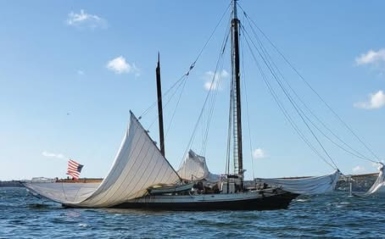
Rotten wood caused historic Grace Bailey demasting

Rotten wood caused historic Grace Bailey demasting says US Coast Guard report

The is a distressing case about a fatal accident that should never have happened. And as the investigation has revealed, a series of poor, inadequate and ineffective inspections and surveys that failed to discover serious rotten wood, would appear to be largely to blame.

The U.S. Coast Guard (USCG) has released a critical report on the demasting of a historic schooner, blaming the catastrophic incident on rotten wood that had gone unnoticed for years due to poor inspections.

About three years after the mainmast of the 144-year-old schooner Grace Bailey Continue reading “Rotten wood caused historic Grace Bailey demasting”

What’s behind the latest spate of boat fires?

Marseille yacht fire. Image Credit: Tom Moreau/Marine Nationale

IIMS CEO, Mike Schwarz, has been alarmed at what seems to be a growing number of destructive yacht and boat fires incidents reaching his desk since the start of 2025. Mike has been motivated to write this article so he can set out and catalogue some of the higher profile fire incidents, as well as some of the less well publicised ones.

This is an expanded article following the introduction I wrote for the IIMS June News Bulletin on this subject. It may have passed you by, but there seems to have been a string of eye-catching large yacht and boat fires erupting around the world since the start of 2025 with devastating consequences. So, what is behind this surge in yacht and boat fires? Is there a common thread? Not sure yet, is the simple answer. Continue reading “What’s behind the latest spate of boat fires?”

West P&I Club on phased banning of scrubbers in North-East Atlantic waters

Historic phased banning of scrubbers in North-East Atlantic agreement

West P&I Club has highlighted the OSPAR Commission, composed of 15 governments and the European Union, which has agreed to a historic phased banning on scrubbers in the North-East Atlantic waters, marking the first regional regulation of its kind.

The decision was made at the OSPAR Ministerial Meeting in June 2025, with ministers expressing concerns about hazardous discharges from exhaust gas cleaning systems (EGCS) on ships, Continue reading “West P&I Club on phased banning of scrubbers in North-East Atlantic waters”

Instagram Posts from the IIMS @iimsmarine

Privacy Overview

This website uses cookies so that we can provide you with the best user experience possible. Cookie information is stored in your browser and performs functions such as recognising you when you return to our website and helping our team to understand which sections of the website you find most interesting and useful.

Strictly Necessary Cookies

Strictly Necessary Cookie should be enabled at all times so that we can save your preferences for cookie settings.

Show details Hide details
Performance & Marketing Cookies

This website uses Google Analytics to collect anonymous information such as the number of visitors to the site, and the most popular pages. This also helps us optimise our marketing campaigns. User data sent to Google Analytics may be used for ad personalization and measurement of our ad campaigns. Keeping this cookie enabled helps us to improve our website.

Show details Hide details