Swiss Cheese? Improving Survey Practice and Process
Most marine craft represent Systems of Systems (SoS) and are an ensemble of complex systems, which have the potential for an extraordinary amount of structural and technical complexity and improving survey practice and process.
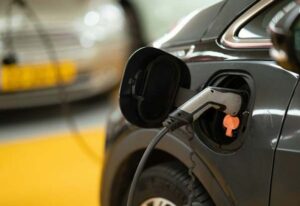
Carrying electric vehicles and lithium-ion batteries at sea and the fire risks
In its Shipping and Safety Review 2023, Allianz Global Corporate & Specialty reported that the second top cause of loss of vessels in 2022 was fire or explosion. There were 209 ship fires reported during 2022, the highest in a decade and 17% more than in 2021. Of those fires, 13 occurred on car carriers. Fire was also reportedly the most expensive cause of marine insurance claims furthering the point that electric vehicles and lithium-ion batteries at sea at potent fire risks. Continue reading “Carrying electric vehicles and lithium-ion batteries at sea and the fire risks”
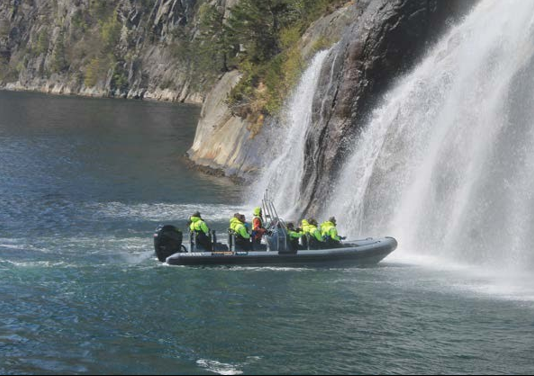
Small craft sector must educate customers of dangers to avoid passenger injury
Poor posture, inadequate seating and a host of other factors can lead to life- changing injuries on RIBs as passenger safety is pulled sharply into focus by recent events in the small craft sector. If the sector ’s reputation is to survive accidents like Seadogz, owners and operators need to start owning best practice, controlling the risks and demonstrating that their trips are safe, says MAIB (Marine Accident Investigation Branch) as it cracks down on the small craft sector saying ‘Small craft sector must educate customers of dangers to avoid passenger injury’.
When you are trying to promote the fun element of an activity, telling your customers that it can be hazardous might appear counterproductive. This could explain the reluctance of the ‘small-craft passenger/ experience ride’ industry to acknowledge and take action on the findings from recent accident investigations. Continue reading “Small craft sector must educate customers of dangers to avoid passenger injury”
The risks and benefits of AI translations in safety critical industries
In safety-critical industries, clear communication is essential. At Mintra, client interest for multilingual training has increased significantly, reflecting the need for accessible training in workers’ native languages, says Moana Ewald, Quality Assurance & Impact Analysis Coordinator at Mintra as she analyses the risks and benefits of AI translations.
Several factors are at play, primarily fuelled by the availability of AI translation engines to make multilingual training more accessible and affordable. The emerging conversation acknowledges that training undertaken in the mother tongue is not just about convenience, it helps learners ‘feel safer’. There is an increased confidence, a sense of value and a positive learning outcome that directly impacts safety. However, it’s not all plain sailing, relying on AI- powered translation engines without adequate quality review processes can lead to critical errors. There are lessons to be learnt. Continue reading “The risks and benefits of AI translations in safety critical industries”
Do you know what P&I stands for? ProtectionandIndemnityinsurance,morecommonlyknown asP&Iinsurance, is a type of mutual maritime coverage offered by a P&I club. While marine insurance companies offer “hull and machinery” coverage for shipowners and cargo insurance for cargo owners, a P&I club covers broader, open-ended risks that conventional insurers are typically unwilling to insure. Continue reading “Do you know what P&I stands for?”
Inland Waterways Craft and the vagaries of the conflicting regulations
IIMS Past President, Geoff Waddington, is a successful yacht and small craft marine surveyor. Over the years he has written a number of articles, including some about the UK inland waterways sector. In this article, he sets out to explain and make sense of some of the confusion and inconsistencies that exist between the various current rules and regulations.
The latest ABS PSC report Q2 2025 statistics reveal 492 vessels were detained
The American Bureau of Shipping (ABS) has published its Quarterly Report on Port State Control (PSC), providing information to owners on deficiencies identified on ABS vessels during inspections carried out by the various PSC regimes globally during the Second Quarter (Q2) of 2025.
Top categories for grounds of detention
Between April 1, 2025, and June 30, 2025, a total of 492 vessels were detained across the Paris MoU, Tokyo MoUand the USCG. Of these, only 25 vessels, representing 5.08%, were ABS vessels. Continue reading “ABS PSC Report Q2 2025: 492 total vessels detained”
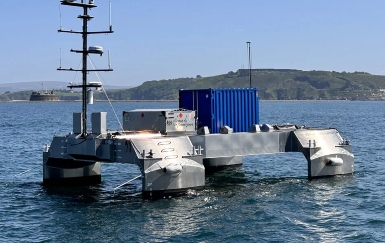
ACUA Ocean. Pioneer becomes the first certified ROUV in the UK
The hydrogen-powered Pioneer, a remotely operated and unmanned vessel (ROUV), has received the UK’s first certification under Workboat Code 3 ahead of its upcoming trials. Lloyd’s Register (LR), which issued the certification under authorisation from the Maritime and Coastguard Agency, reports it represents a significant development in the evolution of regulatory pathways for uncrewed and autonomous vessels operating in UK waters.
The Cargo Incident Notification System (CINS) Charcoal Work Group has updated its “GuidelinesfortheSafeCarriageof CharcoalinContainers”, reflecting the updated IMDG Code requirements, Britannia P&I Club has highlighted.
The 2024 edition of the International Maritime Dangerous Goods (IMDG) Code included changes in the requirements applying to charcoal. This edition, incorporating Amendment 42-24, became voluntary from 1 January 2025 and will become mandatory from 1 January 2026. According to Britannia Club, charcoal as a cargo presents unique stowage and handling requirements and requires strict safety protocols. In addition to the fire hazard, misdeclaration is known to result in the carrier being unaware of the risks. Continue reading “Safe carriage of charcoal in containers”
SubChapter M Towboat Rules: Six Years On Image credit: Pat Folan
Subchapter M regulations in the United States established towing vessel safety regulations overseeing inspections, standards and options for safety management systems. Operators are required to have a Certificate of Inspection from the United States Coast Guard (USCG) to maintain fleet operations. The more than half a decade that has passed since the inception of the subchapter M towboat rule affords an up-close-and-personal look at how it is going. The scorecard is a mixed bag. More than six years ago, the U.S. Coast Guard (USCG) began inspecting towing vessels for compliance with the new towboat rules; specifically, 46 CFR Subchapter M. It has been a long road to compliance with many starts and stops, and much learning on both sides of the law. Continue reading “SubChapter M Towboat Rules: Six Years On”
Lithium-ion batteries: a growing risk for yacht fires?
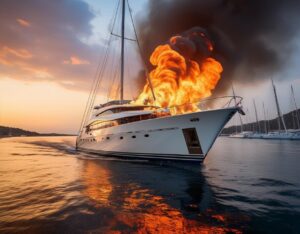
Increased usage of lithium-ion batteries aboard yachts and superyachts presents significant risk for the maritime industry and it is compounded by the rapid evolution of technology with which regulatory oversight struggles to keep apace. But now we must ask: Are Lithium-ion batteries a growing risk for yacht fires?
On 9 January 2025, a fire broke out on board the m/y Naisca IV while moored near Marseille. Initial indications are that the fire, which ultimately destroyed the Naisca IV and caused damage to two neighbouring yachts, originated from a lithium-ion battery. While efforts were made to mitigate environmental harm, the extent of the loss remains uncertain. Continue reading “Lithium-ion batteries: a growing risk for yacht fires?”
Lessons learnt from air shutoff valves incident shared by BSEE
The Bureau of Safety and Environmental Enforcement (BSEE) draws lessons learned from the investigation of a fire on an offshore platform in the Gulf of Mexico involving a rental generator and air shutoff valves.
The incident stemmed from a malfunction in the engine’s air shutoff valves system. Initial investigation findings indicated that the oil fill cap was absent, and both exhaust gases and oil venting from the open fill neck were potential ignition sources. Continue reading “Enhance inspection protocols for air shutoff valves”