 Introduction to Bills of Lading: Basic concepts and issues
A bills of lading is a contractual document issued by the carrier by sea of goods which such carrier takes possession of and transports. Generally, a bill of lading would contain details about the transported goods such as the type, quantity, weight, value, and date of shipment of such goods. From a definitional perspective, it is difficult to give a precise definition of a bill of lading, but it could certainly be said to possess the following essential attributes:
(i)It serves as a transport receipt which the carrier gives to the seller for transporting his goods;
(ii)It serves as evidence of contract between the carrier and the exporter; and
(iii)It serves as a document of title for the importer or the buyer.
From the above, it is evident that there are the following parties primarily involved: Continue reading “Bills of Lading: Basic concepts and issues”


 The fourth Enclosed Space Entry Joint Industry Workshop took place at


 In 2023, the global soya bean market (also known as soybeans and soyabeans) was valued at over USD 200.37 billion, and it is projected to grow to USD $259 billion by 2032.The shipping industry plays a significant role in supporting this global industry, but behind these impressive figures lies a perilously narrow window for safe ocean transport. Despite being loaded in sound condition and carried by well-maintained vessels on unexceptional voyages, soya beans continue to arrive in a deteriorated condition far too often. Claims related to spoilage frequently run into millions of dollars, exposing shipowners, operators, and marine insurers to significant financial risk.

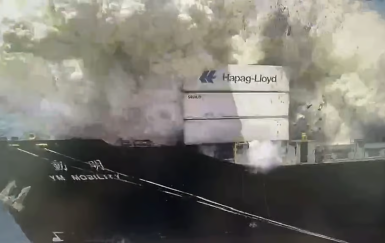 The China Maritime Safety Administration (
 The Norwegian Government introduces zero-emission requirements in the World Heritage fjords. In a circular the Norwegian Maritime Authority (
 According to
 The