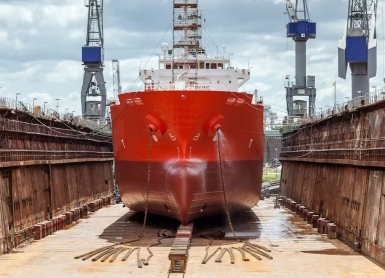
Shipyards are singular industrial environments, combining the hazards of heavy construction, manufacturing, and complex marine operations into one sprawling, high-stakes location. For any vessel owner, operator, or contractor, the yard represents a necessary but incredibly risky dry dock danger zone. The complex nature of repair, maintenance, and construction, often conducted under tight deadlines, elevates the potential for catastrophic accidents.
A shipyard is a constantly evolving workspace. One moment, a section of the hull is being pre-fabricated in a clean workshop; the next, it is being hoisted by cranes over active work zones to be welded into place many meters above the dry dock floor. This dynamic, multi-hazard environment necessitates a safety culture that is not merely compliant, but proactively rigorous. Continue reading “The dry dock danger zone: Why a shipyard safety plan must be bulletproof”





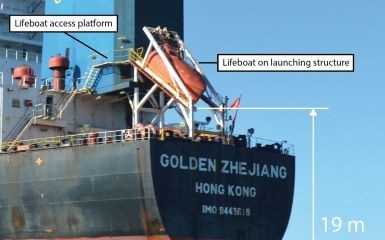 The Transportation Safety Board of Canada (TSB) is urging stronger safety measures after a crew member was seriously injured aboard the bulk carrier Golden Zhejiang’s lifeboat in 2023. The TSB highlights the need for proper procedures for risk assessments, equipment-specific training, and a safety management system supported by a mature safety culture with a trusted process for communication between crew and shore personnel to prevent accidental lifeboat releases.