Simon Fraser University researchers have uncovered concerning fibreglass contamination in a key estuary on Vancouver Island, raising concerns about how an as-yet overlooked contaminant could affect aquatic birds, marine life and coastal communities that rely on shellfish and seafood.
A new SFU study found fibreglass particles buried in the sediment and biofilm layers of the Cowichan Estuary, a 400-hectare intertidal ecosystem used by the Cowichan Tribes First Nations for generations. The areas is an internationally designated important bird area and used for harvesting clams, geoducks, crabs, waterfowl, cod roe, urchins and salmon.
“Fiberglass particles are silica‑based glass fibres, often reinforced with plastic, and we are just in the infancy of understanding their potential toxicity for animals and people,” says Juan José Alava, marine eco-toxicologist and lead author of the study.
“Just knowing these particles are present in an estuary that supports shorebirds and shellfish — and is central to Indigenous food security — is enough to justify preventive, precautionary actions. We don’t have to wait until we know every toxic threshold to act.”
Key findings
- Fiberglass particles detected at 96% of the sediment testing stations in 2023 (up from 64% in 2020)
- Sediment concentrations were highest near industrial activity and the log transport channel (6-286 particles per kilogram of dry sediment).
- Biofilm concentrations found at sites near the Western Forest Products mill pond, the Westcan Terminal, and a busy marina in Cowichan Bay Village (30–62 particles per kilogram of dry weight).
- Elevated fibreglass levels near the Westcan Terminal suggest industrial activities and uncontrolled runoff contribute to contamination.
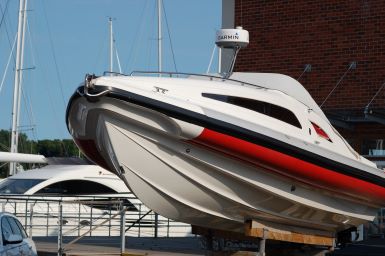
- Higher fiberglass concentrations in both biofilm and sediment found at marinas, slipways and boat maintenance areas where sanding, repairs and hull cleaning are common.
Published in Marine Pollution Bulletin, the study is one of the first baseline assessments of coastal fiberglass pollution in Canada, sampling a total of 26 sites in the Cowichan Estuary between 2020 and 2024.
Working with the Cowichan Estuary Restoration and Conservation Association (CERCA), researchers looked at the biofilm (the top three to five millimetres made up of a thin, fatty layer of algae and microorganisms that fuels migratory shorebirds) and the deeper sediment layer where clams, mussels and other sediment‑dwelling invertebrates live and feed.
They found fibreglass particles at several of the surface biofilm testing sites and 96 per cent of the sediment testing sites. Researchers say this is because fibreglass is heavier or denser than saltwater, so it tends to settle and build up in those deeper intertidal sediment zone layers.
“We don’t yet know what levels of fiberglass exposure cause harm, how readily different species can eliminate the particles, or whether they bioaccumulate through the food web,” explains Alava.
“Now that we know it’s in the sediments and biofilms of a working estuary, we need to understand how far it goes into wildlife, marine life, and into people, including the local First Nations who rely on shellfish and seafood.”
You can find out more, including the study’s recommendations, here: SFU study raises alarm on marine fiberglass pollution