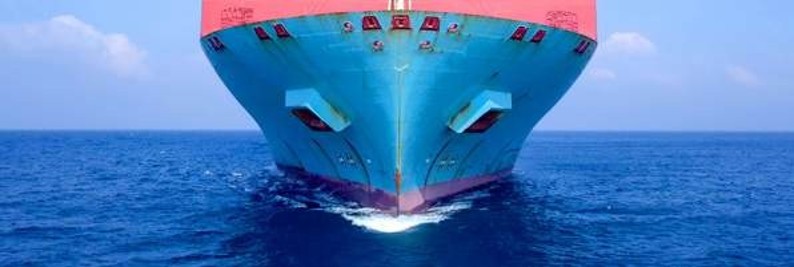
In this article, Tom explores the growing challenge of securing a port of refuge for container ships affected by onboard fires, highlighting the legal, operational and environmental complexities that arise in managing these incidents.
The increasing frequency and severity of fires aboard container ships is a pressing concern for the maritime industry. Recent incidents have highlighted the dangers these fires pose, not only to vessels and their crews, but also to cargo and the surrounding environment. In many cases, the consequences have been catastrophic, with some ships lost entirely and others facing substantial legal and financial repercussions.
Once salvage arrangements are in place and firefighting efforts have begun, a vital step will be identifying and securing a port of refuge (POR). Throughout maritime history, vessels have needed to take fast action to protect lives, prevent environmental damage, and limit further losses. However, the scale and complexity of modern container ships, often carrying hazardous materials and involving multiple stakeholders, makes this process increasingly challenging.
Early decision-making is crucial – this will involve evaluating the immediate risks, the ship’s current position, its destination, nearby PORs and whether those ports are accessible and willing to accept the vessel. In cases where a Lloyd’s Open Form (LOF) salvage contract is used, the salvage master will assume command of the operation. The shipowner formally requests entry, while insurers, charterers, and alliance partners all have vested interests.
Regulatory bodies such as Flag and Class must also be consulted. Ideally, all parties will collaborate, holding daily briefings and sharing key documents including cargo and dangerous goods manifests, to ensure informed and safe decision-making. LOF clauses reinforce the shared responsibility of all property owners to support salvors in securing a place of safety.
The process of securing permission to enter a POR varies widely depending on the port and local authorities. Coastal States that are signatories to IMO Resolution A.1184(33) are encouraged to follow its guidelines, which were outlined in December 2023. These reiterate the need to stabilise the casualty, reducing onboard hazards, and repairing any damage as the best way to prevent further harm.
That said, these are only ‘guidelines’. While they promote a cooperative approach, they require only an ‘objective analysis’ to be made and that each case be assessed individually. States are not obligated to accept ships in distress.
In reality, local resistance (often driven by “Not In My Back Yard” or “NIMBY” attitudes) can hinder access. Even when national authorities are willing to assist, local decision-makers may deny entry for their own reasons. In some cases, neighbouring states are pressured to follow suit, leaving the vessel stranded, with nowhere to go, and vulnerable to secondary incidents.
That said, in addition to preventing an ecological disaster on their doorstep, there are regions that recognise the economic benefits to a local maritime cluster in accepting such ships and may be more accommodating. Ultimately, Coastal States will weigh the risks against potential rewards.
Engaging early with key decision- makers early within authorities and commercial stakeholders is essential. Building trust through in-person communication on site can make a significant difference. Importantly, authorities dislike unannounced arrivals, so initiating dialogue with potential PORs as soon as possible following (or during) the initial casualty response is strongly advised.
Identifying a POR needs to consider the cargo onboard. The initial fire, explosion and firefighting efforts will often damage hundreds of containers, leaving behind scrap, burnt materials, debris and damaged reefer units. Handling this is costly and complex, frequently surpassing the cost of repairing the vessel itself.
Disposal is governed by international conventions, local laws and environmental standards – damaged goods must be safely removed, cleaned, sorted, recycled, or disposed of in accordance with regulations. ESG concerns are rightly at the forefront. Responsibility for this process depends on contractual arrangements and may be unclear following a casualty.
Regardless, all parties should work together to find a practical, cost-effective and compliant solution. A single, integrated POR solution works best. If damaged cargo or debris is to be moved between territories, care must be taken to ensure if it falls under the definition of hazardous waste which might trigger onerous obligations under the Basel Convention.
While hull and machinery insurers may view shoreside matters as the domain of P&I Clubs, cooperation between all insurers is crucial – especially when cargo removal is tied to the vessel’s ability to undergo repairs and return to service.
Given the ongoing risk of container ship fires, shipowners and insurers should establish clear procedures for securing a POR following a casualty. Proactive early engagement with authorities, personnel on the ground, and integrated shoreside solutions can significantly streamline the process. Above all, constant dialogue among all stakeholders is key to managing these complex and high- stakes situations effectively.

By Tom Morgan, Partner at law firm HFW