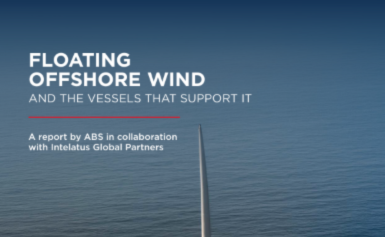
Demand for high-capability floating offshore wind support vessels is expected to strengthen, with availability constraints emerging in some segments as early as 2029, according to a new report from classification society ABS.
Produced by ABS in collaboration with Intelatus Global Partners, Floating Offshore Wind and the Vessels That Support It examines the role large anchor handling tug supply vessels (AHTSs) and multipurpose support vessels (MPSVs) are expected to play in project execution, as well as the implications for vessel suitability, upgrades and future fleet needs. Continue reading “Rising demand for floating offshore wind support vessels says new ABS report”